
Moving to Tampa
Make Tampa Home
Neighborhoods, Florida paperwork, storm season and things to do, for people moving to Tampa and settling in.
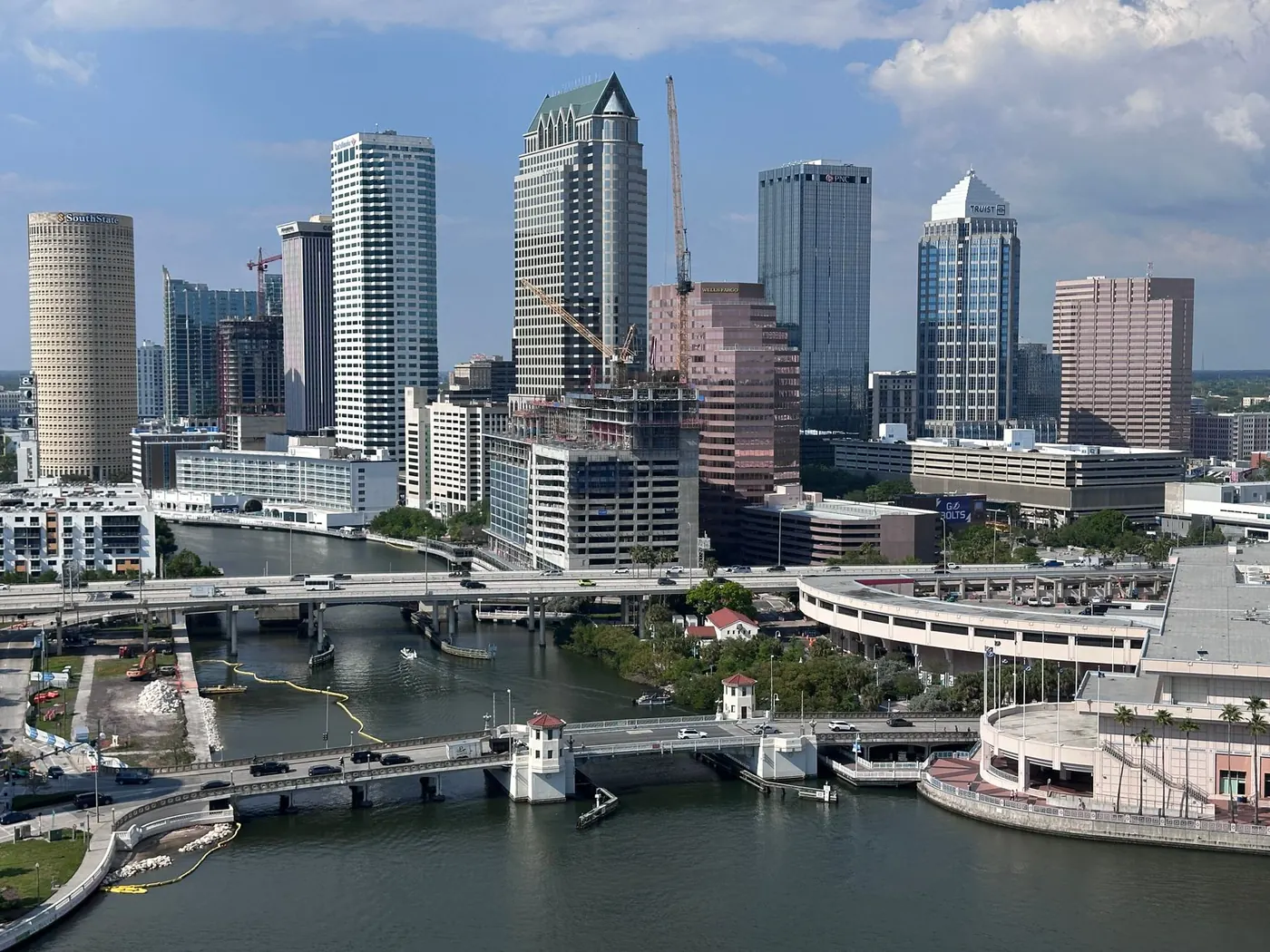
Moving to Tampa usually starts with a neighborhood and a budget, then quickly turns into Florida-specific questions about storms, insurance and property taxes. The state’s official new-resident pages are a good first stop for licenses and vehicle registration.
Before you sign a lease or make an offer, look up the address on the county’s evacuation zone map and on the federal flood maps. Our guides walk through each step, from the first week after the move to a weekend on the Gulf beaches.
Guides
Everything We’ve Written About Life in Tampa
Every guide on the site, newest first.




Show 18 more guides












Start here
What to Know Before and After You Move to Tampa
Tampa is warm, growing and close to the Gulf. It also works differently from most places people move from. Here is the short version.
Pick the area before the house
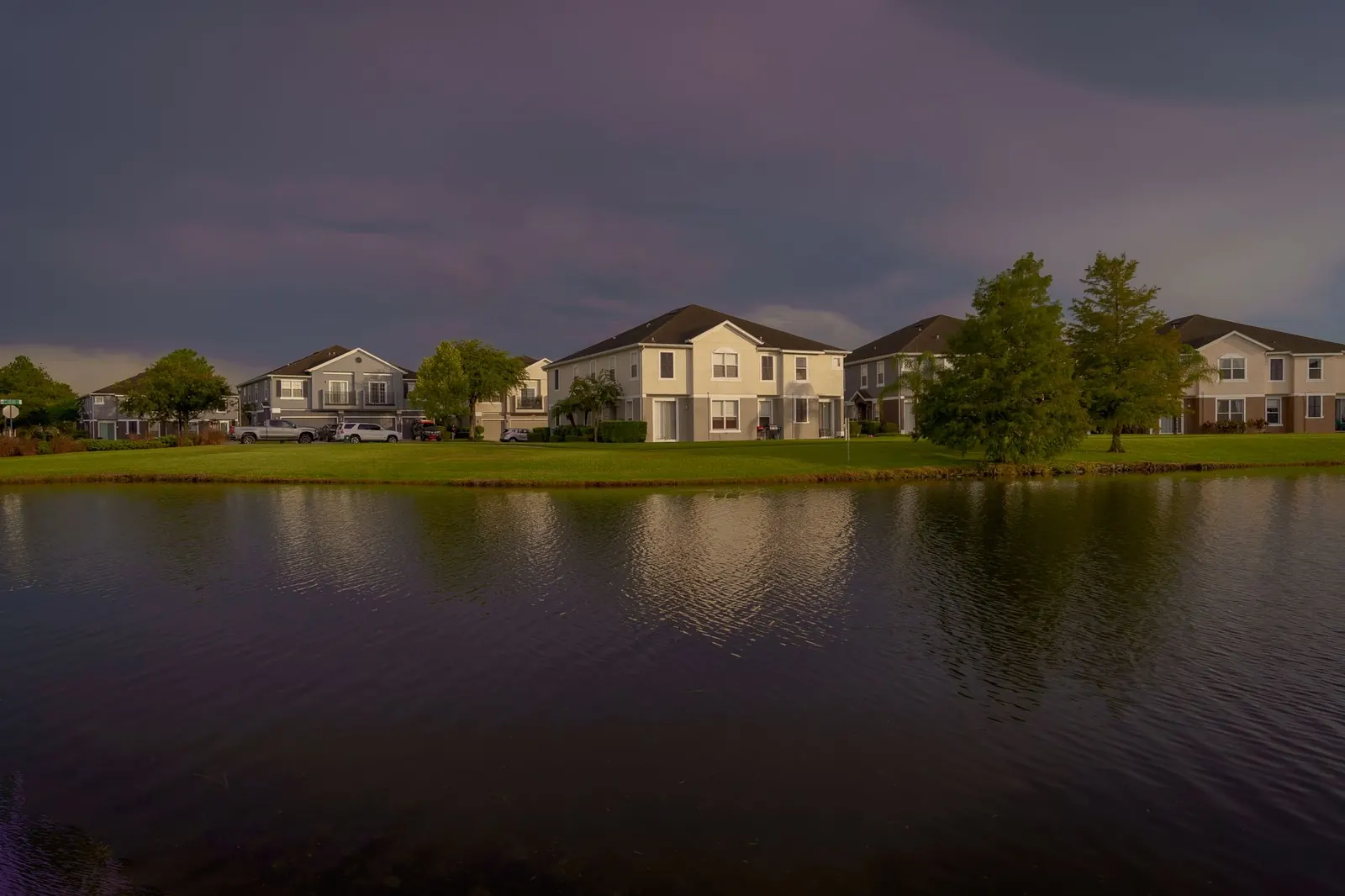
Tampa is spread out, and daily life depends heavily on where you live. South Tampa, Seminole Heights, Downtown and the suburbs such as Brandon, Riverview and Westchase each have a different feel, commute and price range. Spend time in two or three areas at different times of day before you commit.
Commutes across the bay and along the main highways can be slow at rush hour. Test the drive you would actually make to work.
Learn the Florida paperwork
New residents have deadlines. According to the state motor vehicle agency, you have 30 days after establishing residency to get a Florida driver license and 10 days to title and register your vehicles, with insurance from a Florida-licensed agent.
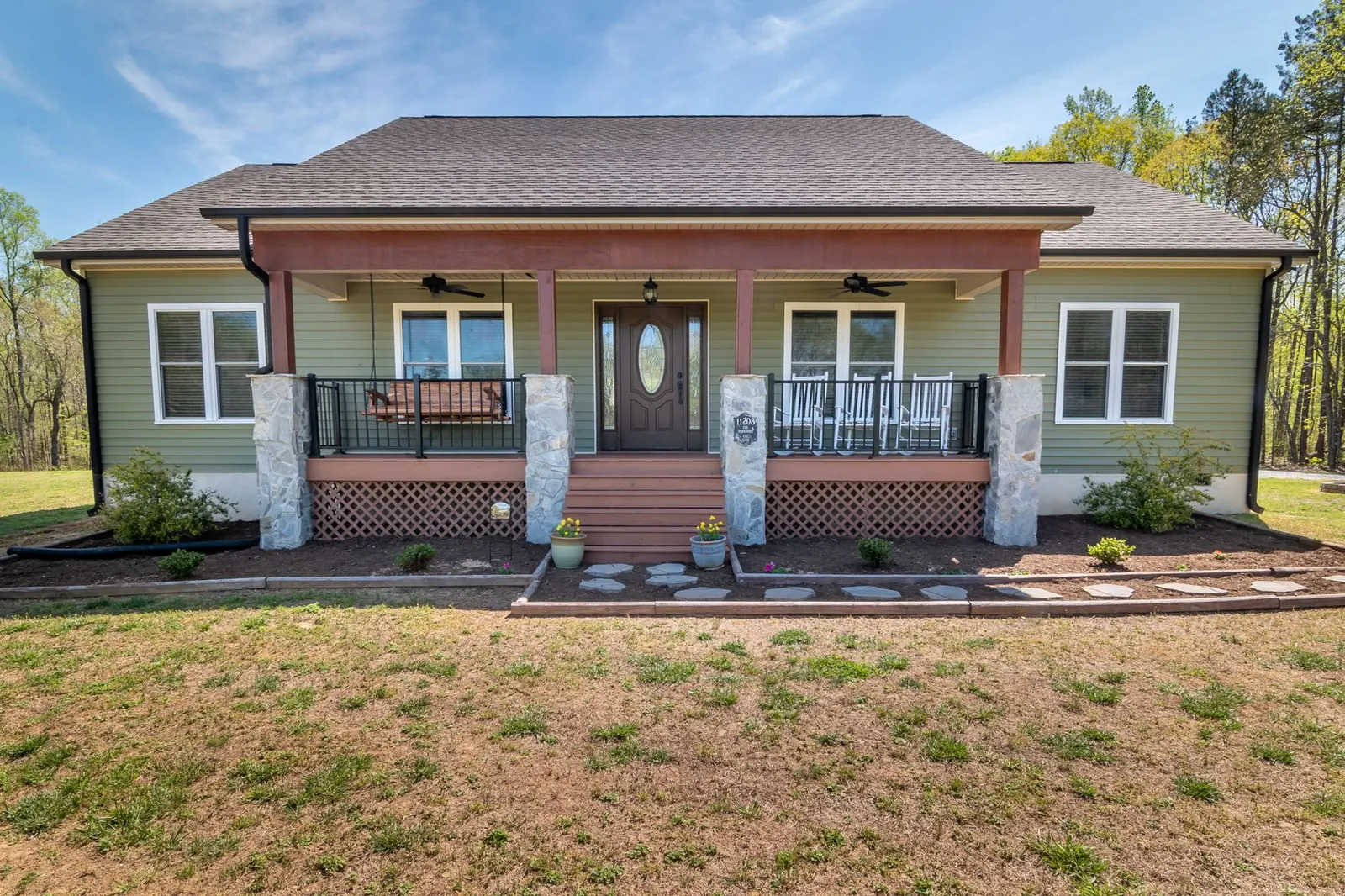
If you buy a home and live in it as your permanent residence, the homestead exemption can reduce your property taxes. You must own and occupy the home on January 1 and file by March 1 with the county property appraiser.
Understand storm season
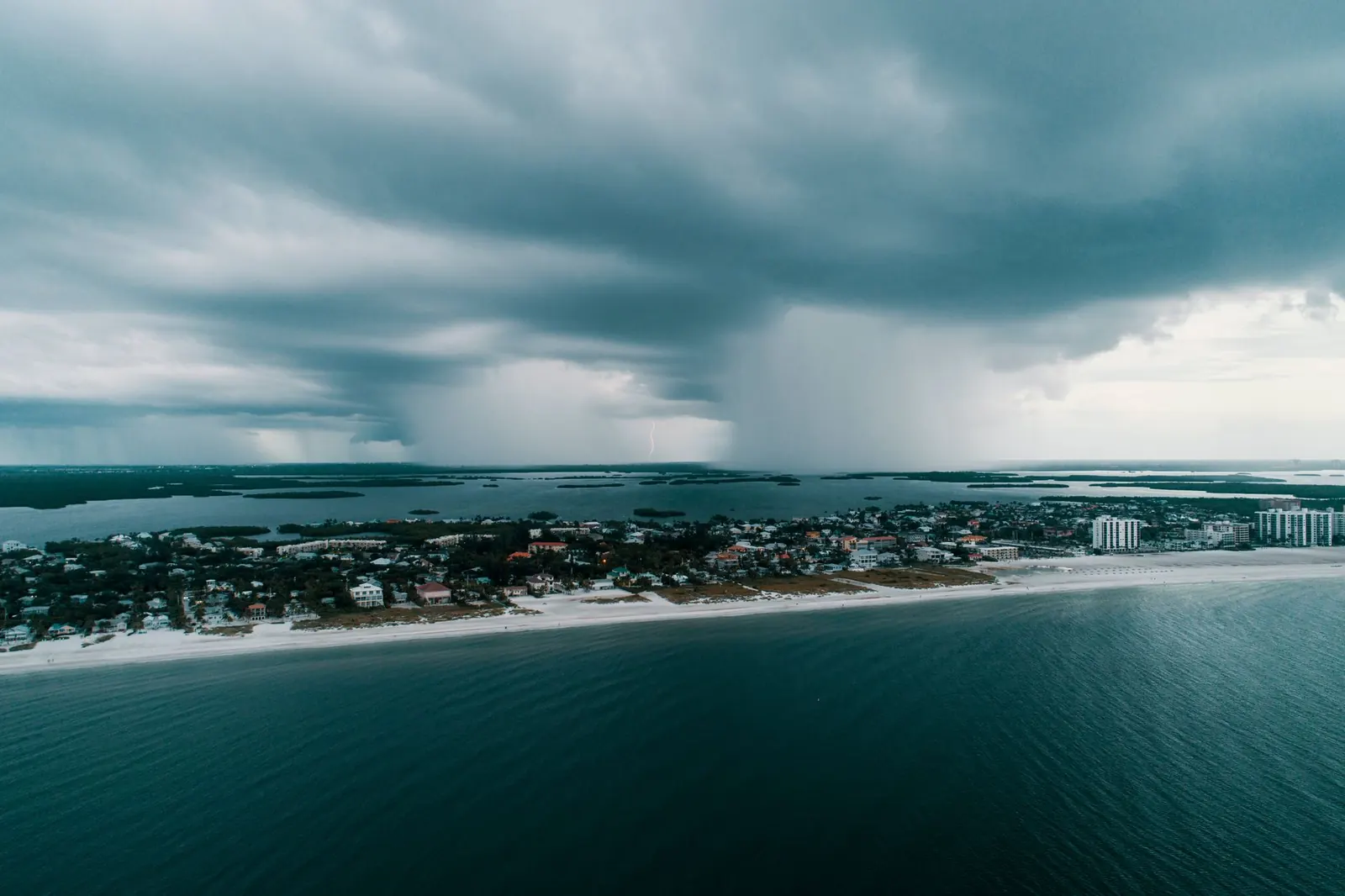
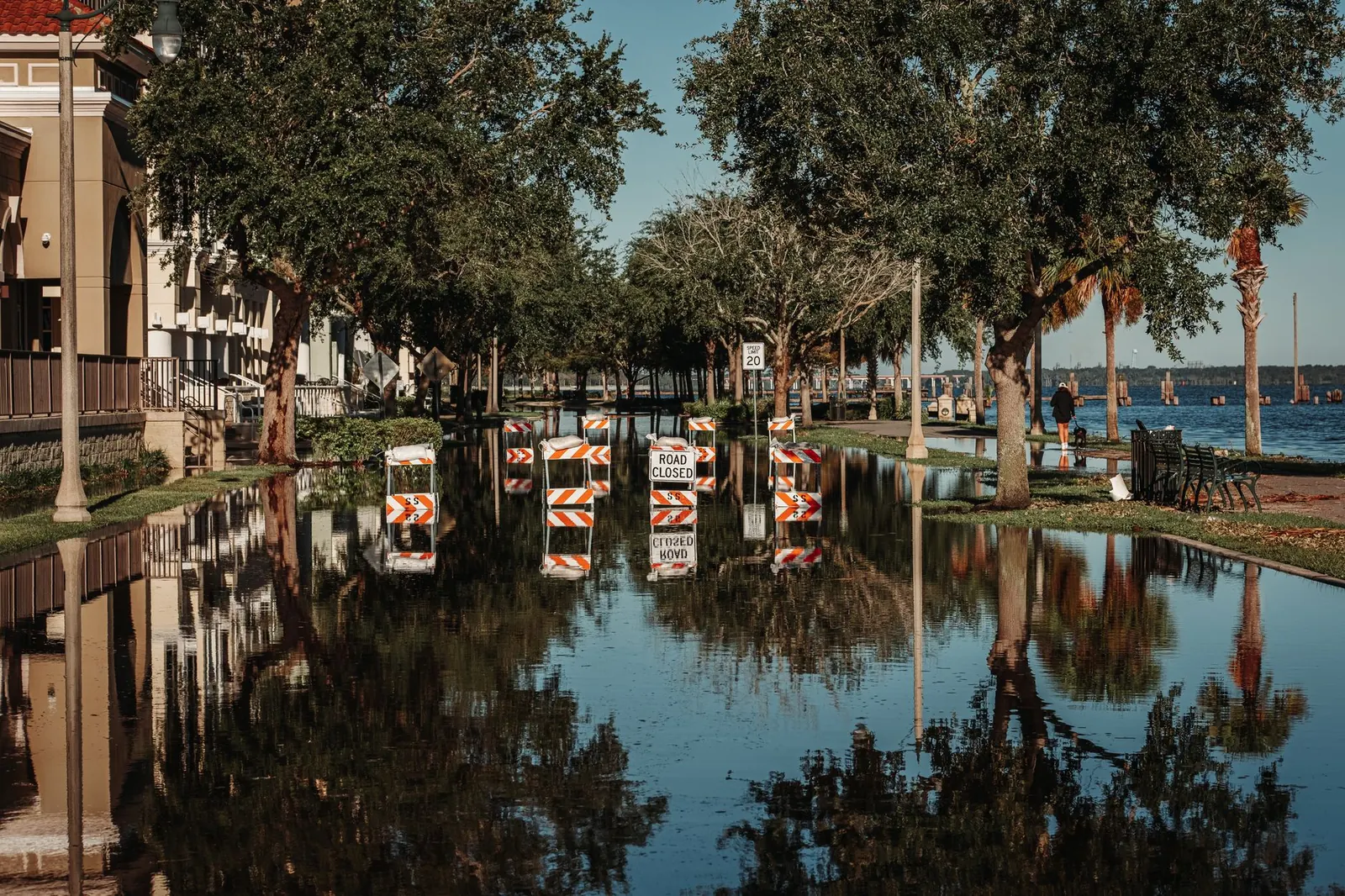
The Atlantic hurricane season runs from June 1 to November 30. Every newcomer should know their evacuation zone, have a plan for where they would go and keep basic supplies ready before a storm is on the way.
Evacuation zones and flood zones are different things. The first tells you whether you may be ordered to leave during a storm; the second affects insurance and building rules.
Get insurance right
Standard homeowners and renters policies do not cover flood damage. Flood insurance is a separate policy, and federal flood policies usually have a 30-day waiting period. Buy coverage before the season, not when a storm is forecast.
Get insurance quotes early in the home search. In Florida, the cost of insurance can change which homes are affordable.
Then enjoy it
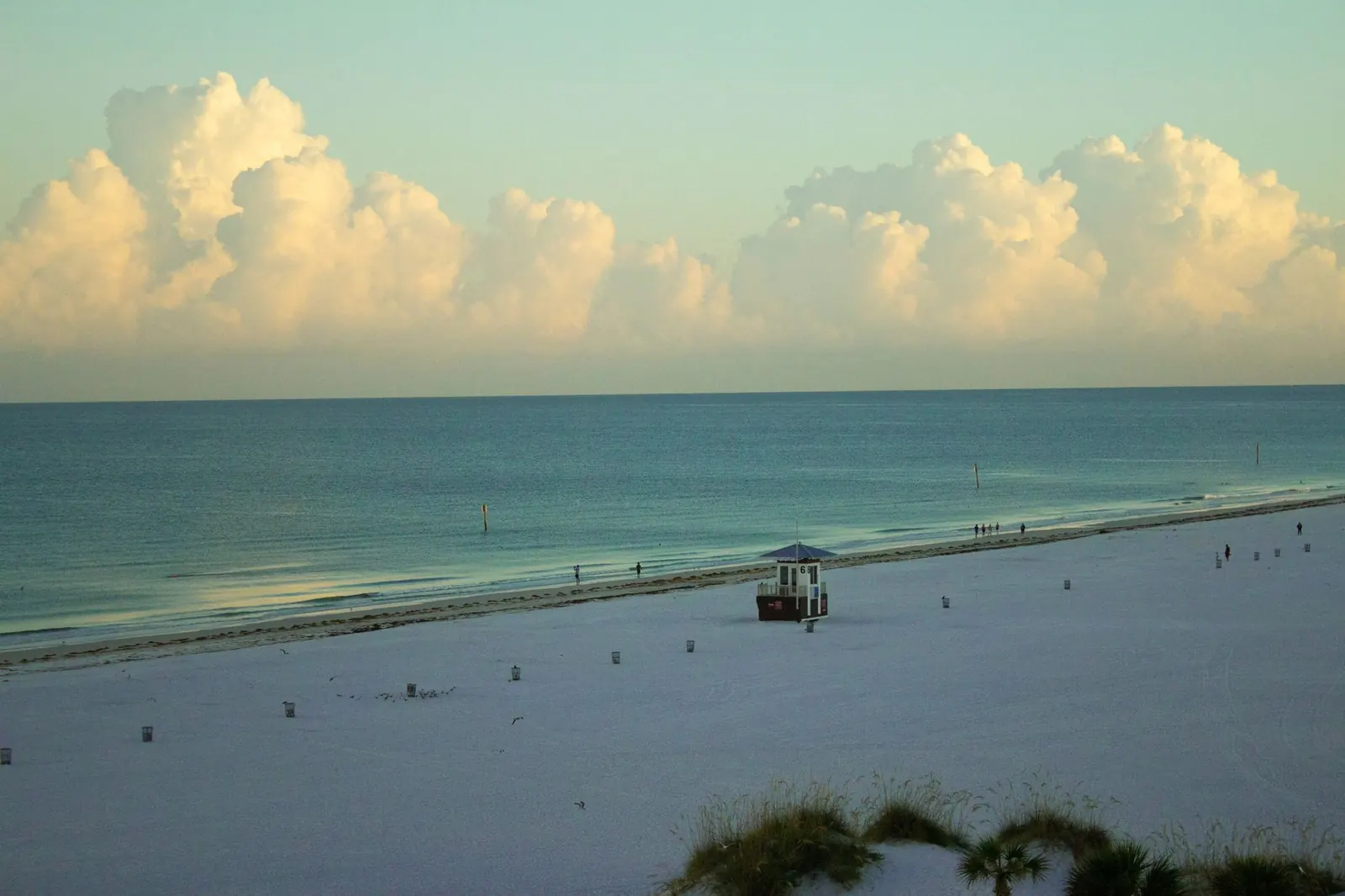
Once the paperwork is done, Tampa has plenty to fill weekends: the Riverwalk, Ybor City, Bayshore Boulevard, the Gulf beaches, rivers for paddling and, in winter, manatees gathering in warm water. The guides below cover all of it.
FAQ
Questions People Ask Before Moving to Tampa
What does Life Tampa cover?
Neighborhoods, housing and costs, Florida paperwork for new residents, storm season, and things to do in and around Tampa.
How soon do I need a Florida driver license?
According to the state motor vehicle agency, within 30 days of establishing residency. Vehicles must be titled and registered within 10 days.
When is hurricane season?
June 1 to November 30. Learn your evacuation zone and prepare before the season starts.
Does homeowners insurance cover flooding?
No. Flood insurance is a separate policy, and federal flood policies usually take 30 days to start.
What is the homestead exemption?
A Florida property tax exemption for your permanent residence. You must own and live in the home on January 1 and apply by March 1.
Does Florida have a state income tax?
Florida does not have a personal state income tax. Property taxes, sales tax and insurance are the costs to watch.
Is the site connected to any agency or business?
No. We are independent and do not sell homes, insurance or moving services.
Where can I confirm the rules?
Each guide names the official source, such as the state motor vehicle agency, the county property appraiser or county emergency management.